The Jewish people call it Shavuot — the Festival of Weeks. Christians call it Pentecost Sunday. They’re celebrating the same ancient moment on different days, in different ways, with different emphases. And yet underneath both celebrations is a question that I find genuinely compelling: what does it mean to receive a gift of wisdom so profound that generations still gather around it thousands of years later?
Watch the Video Here
A Feast Hidden Between Two Seasons
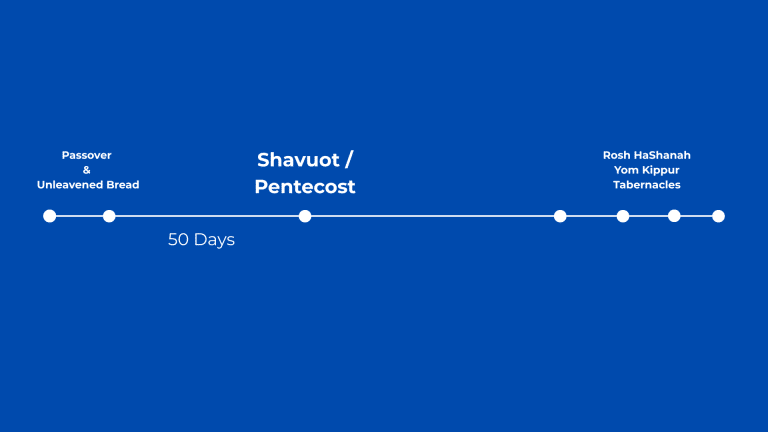
In the Biblical book of Leviticus, we find what amounts to a liturgical calendar for ancient Israel — a schedule of sacred time, laid out with instructions for offerings and observances. The calendar moves from the weekly Sabbath through Passover, Rosh HaShanah, Yom Kippur, and the Feast of Tabernacles.
Tucked between Passover in the spring and the fall feasts is one of the three Pilgrimage Festivals: Shavuot, which simply means “Weeks” in Hebrew. The name comes directly from its instructions — the people were to count seven weeks from a specific moment tied to the Passover season. Seven weeks. Forty-nine days. And then, on the fiftieth day, a festival.
What Is the Sabbath in Question?
This is where it gets interesting — and where the two traditions part ways.
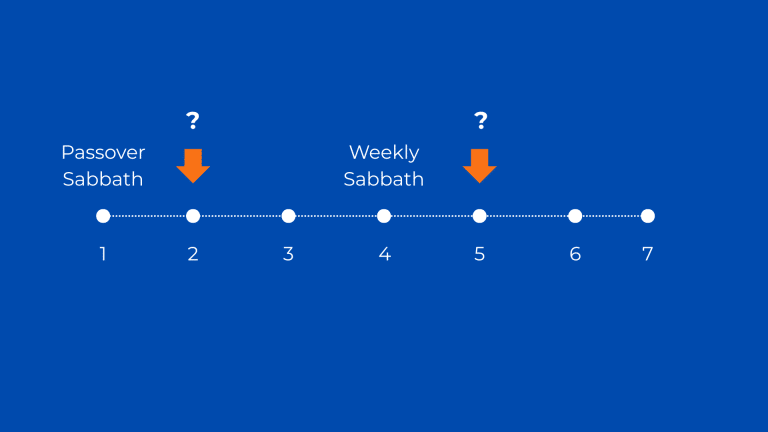
In Leviticus 23, God instructs the priests to wave a sheaf of grain on ‘the day after the sabbath.’ Straightforward enough, until you realize that in the Hebrew calendar, not only is the seventh day of the week called a Sabbath — certain sacred festival days are also called Sabbaths.
So which sabbath was intended here? Did God mean the day after the first day of Unleavened Bread — the festival Sabbath that began the Passover season? Or did God mean the day after the regular weekly Sabbath that fell during that same period?
This question was debated even in antiquity. And the two traditions resolved it differently:
If the counting begins after the festival Sabbath (the first day of Unleavened Bread), Shavuot can fall on any day of the week — as it does on the modern Jewish calendar.
If the counting begins after the weekly Sabbath, the fiftieth day always lands on a Sunday. This is the interpretation followed by the early Christians, which is why Christians call this day Pentecost Sunday (from the Greek word for fifty) and always celebrate it on a Sunday.
What Is Shavuot Actually Celebrating?
The honest answer is: the Bible doesn’t say much.
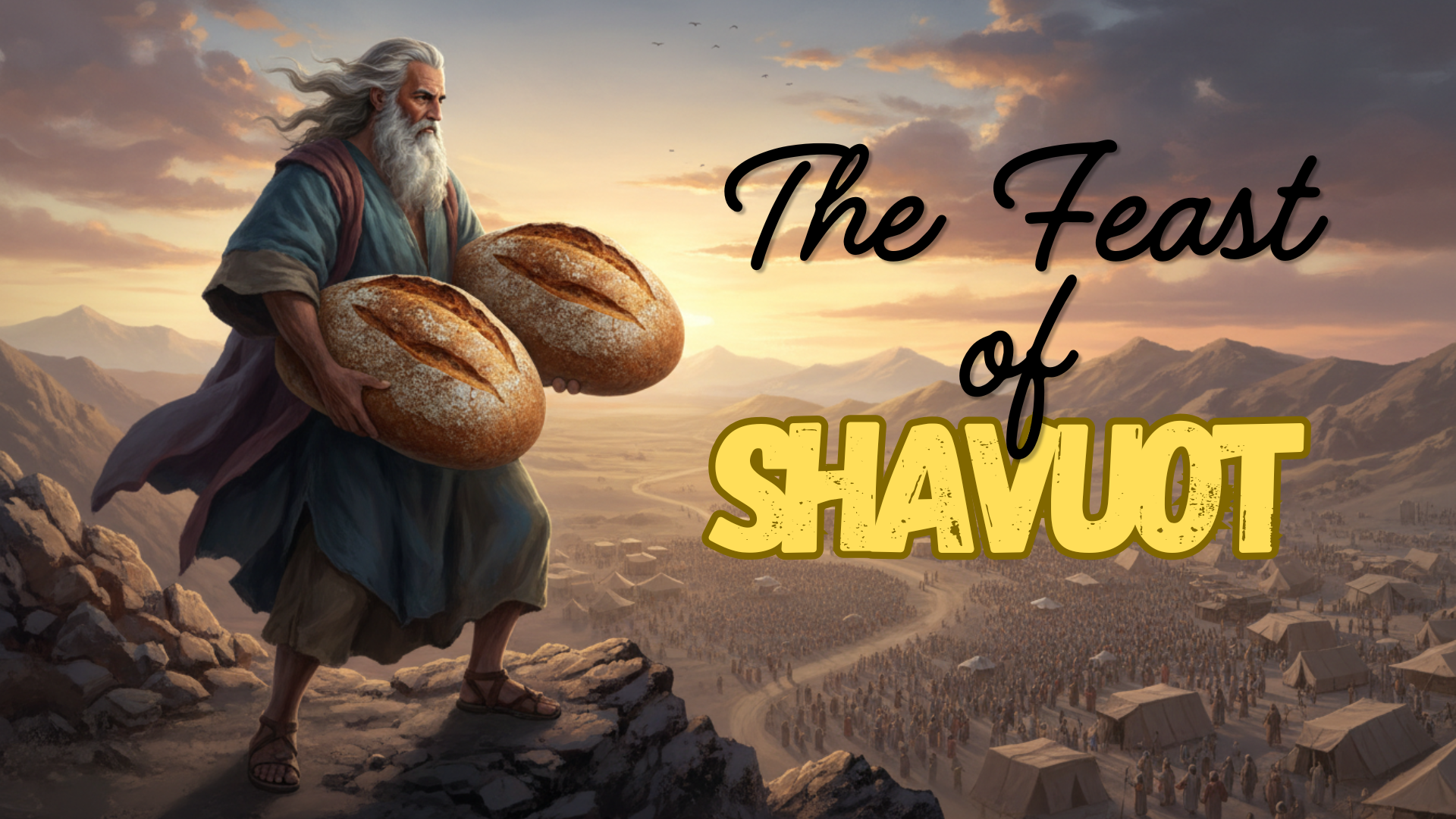
What the text tells us is that on this day, the priests were to wave two large loaves of bread in the Temple — a symbolic dedication of the harvest to the God of Israel. That’s the sum of the Biblical instruction.
For those of us drawn to ancient wisdom, there’s something almost refreshing about that. A holy day without an exhaustive explanation. A space that generations of tradition-keepers were invited to fill.
And fill it they did.
The Giving of the Torah at Mount Sinai
Long before the time of Jesus, Jewish tradition began associating Shavuot with the giving of the Torah at Mount Sinai. The reasoning is grounded in the Biblical text itself, and it’s worth following the logic.
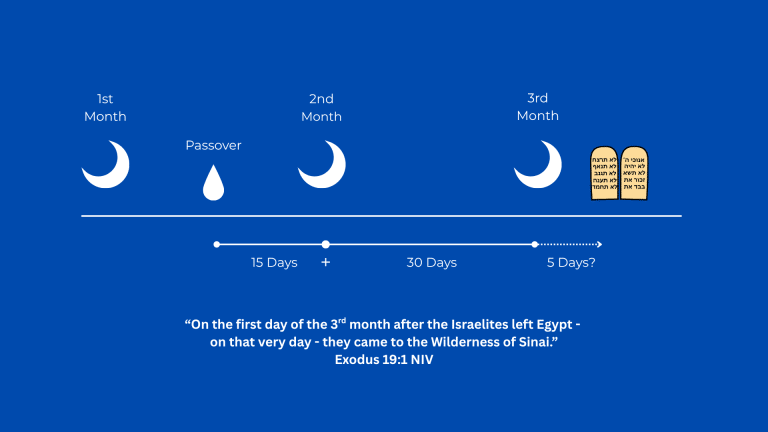
Passover falls on the 15th day of the first month. That night, the Israelites left Egypt. In Exodus 19:1, we read: ‘On the first day of the third month after the Israelites left Egypt — on that very day — they came to the Wilderness of Sinai.’
Work through the counting: fifteen days remaining in the first month, thirty days in the second month — that’s forty-five days from Passover to the new moon of the third month. Then God instructed Israel to purify themselves for three days before he would speak to them from the mountain. Forty-five plus three equals forty-eight — and by the ancient sages’ reckoning adding time to set up camp and such, that puts the giving of the Torah at Sinai right at the fifty-day count.
Close enough — and suggestive enough — to become tradition.
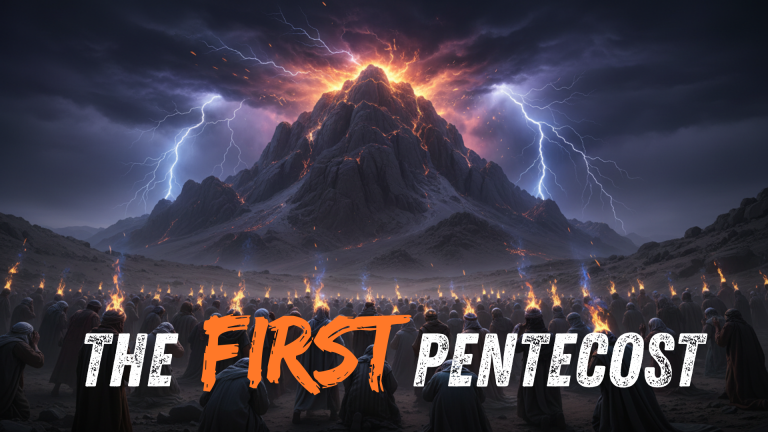
The Shavuot meaning that most Jewish people hold today is rooted in this: it’s the anniversary of the moment Israel stood at the foot of Sinai and heard the voice of God speak the Ten Commandments. It’s the birthday of the covenant.
The Living Traditions of Shavuot
What I find most moving about Shavuot — and about many ancient observances — is that the tradition didn’t just preserve a memory. It created practices that make the memory alive each year.
Tikkun Leil Shavuot: Staying Up All Night
One of the most striking Shavuot traditions is staying awake through the entire night of the festival to study Torah. This practice is called Tikkun Leil Shavuot — the repair or rectification of Shavuot night.
The legend behind it is wonderfully human: when God arrived at Sinai to give the Torah, the Israelites were asleep. They had to be awakened. So each year, the Jewish people stay up all night as a kind of collective atonement for that drowsiness — and as a way of saying, this time, we’re awake.
As a fellow traveler, I find this practice striking in the way it refuses to leave the past simply in the past. The tradition says that the moment is still unfolding. We’re still being invited to receive it. Are we awake?
The Reading of the Ten Commandments
The next morning, synagogues fill with families who have been up through the night. At the heart of the service is the reading of the Ten Commandments — the very words that tradition holds were spoken at Sinai. By this ritual re-reading, the community isn’t merely remembering what happened to their ancestors. They’re receiving it again, personally, for themselves.
This is a recurring theme across wisdom traditions: the sacred text isn’t merely historical. It’s addressed to you, now. The Zen teacher says the sutras are alive. The Sufi mystic says the Quran speaks directly to the heart. The Vedantic tradition says the Upanishads reveal what you already are. Shavuot, in its own way, is saying the same thing: receive this again, as if for the first time.
Eating Dairy on Shavuot
One of the more delightful Shavuot traditions is the eating of dairy foods — cheesecakes, blintzes, cheese-filled pastries. There are actually several explanations offered for this practice, which itself tells you something about living tradition: it accumulates meaning over time.
One of the most evocative explanations connects the dairy custom to the land itself. The Torah was given at the moment of the harvest, looking forward to the day when the Israelites would inhabit a land described as flowing with milk and honey — a lush, green land where cattle grazed abundantly and bees overflowed their hives.
There’s also a beautiful legend that when God descended on Mount Sinai, that rocky wilderness mountain immediately burst into flower and greenery. For this reason, synagogues and homes are often decorated with plants and cut flowers during Shavuot — a visual echo of that blooming mountain.
So the cheesecake isn’t merely a pleasant custom. It’s a small, embodied act of hope: a taste of the abundance that ancient wisdom promises is possible. Which, in its own quiet way, is something worth tasting!
Pentecost Sunday: The Christian Parallel
For Christians, the same fifty-day count — beginning from Easter Sunday rather than the festival Sabbath — culminates in Pentecost Sunday. And while the harvest imagery and Torah-giving associations carry over in subtle ways, the Christian tradition fills this day with a different primary event: the coming of the Holy Spirit described in Acts 2.
In that account, the disciples of Jesus were gathered together in Jerusalem when a sound like a rushing wind filled the room, and what appeared to be tongues of fire rested on each of them. They began speaking in languages they didn’t know, and pilgrims in Jerusalem from across the known world heard the gospel proclaimed in their own tongue.
Pentecost Sunday, for Christians, marks the birthday of the church — the moment the community of Jesus’s followers received the animating Spirit that would carry the movement forward.
What’s striking, from a cross-traditional perspective, is the structural similarity: both Shavuot and Pentecost Sunday are celebrations of receiving something from beyond yourself — a word, a spirit, a law, an illumination — that calls you to live differently. The content of what was received differs significantly. But the posture being cultivated is recognizable: openness, attentiveness, a willingness to be changed by what comes.
What Shavuot Meaning Offers All of Us
I want to be honest about something. I approach these traditions as a fellow traveler, not as a gatekeeper. I don’t think you have to belong to a specific tradition to find something real in its practices and stories.
And here’s what I find genuinely worth sitting with:
The Question of Reception
Most of us are very good at seeking. We read, we research, we attend seminars and workshops and retreats. We’re practitioners of the pursuit.
But Shavuot points to something different: reception. The posture of the person who stays awake all night not because they’ve done the preparatory work but because they’re waiting — alert, available, undistracted — for something to arrive.
The Taoist tradition calls this wu wei — not effortful doing, but a kind of open, attentive non-striving. The contemplative Christian tradition calls it lectio divina — slow, receptive reading that isn’t trying to extract information but to be addressed. The Buddhist practice of shoshin — beginner’s mind — is the same movement inward: not filling the cup, but emptying it.
Shavuot, in its own idiom, is practicing this. It asks: can you stay awake long enough to receive what has always been offered?
The Communal Dimension of Wisdom
One of the things that strikes me about the Shavuot story is how communal it is. Israel stood at Sinai together. The disciples on Pentecost were gathered together. The wisdom wasn’t delivered privately to an elite — it was given to a people.
This is a counter-cultural note for those of us shaped by individualistic spirituality. Ancient wisdom traditions, almost without exception, assume that the deepest insights are received and sustained in community. The Torah wasn’t just for Moses. The fire fell on all of them.
Whatever practice you’re drawn to — Stoic reflection, Buddhist meditation, Sufi prayer, Vedantic inquiry — it deepens when it’s shared. Not because solitary practice is without value, it certainly is. In fact, I would say that a personal spirituality is the central pillar of a true spirituality, but community holds us accountable to the fruits of what we claim to know.
Returning to the Source
The Jewish practice of re-receiving the Torah each Shavuot carries a profound psychological wisdom: the past isn’t simply behind us. We can return to the source of what shaped us — annually, intentionally, and freshly.
This mirrors the Teshuvah tradition in Jewish thought: turning, returning, repentance understood not as self-punishment but as reorientation. It also echoes what the Buddhist teacher Shunryu Suzuki Roshi described as beginner’s mind — approaching the familiar as if encountering it for the first time.
Perhaps the most honest thing I can say about Shavuot is this: whatever ancient text or teaching has shaped your inner life — the Tao Te Ching, the Psalms, Marcus Aurelius, the Bhagavad Gita — there’s wisdom in returning to it as if newly minted. Not to confirm what you already think you know. But to be surprised again by what it actually says.
A Simple Practice Drawn from Shavuot
You don’t need to be Jewish or Christian to draw something practical from this ancient observance. Here’s an invitation worth considering:
Choose a text that has genuinely shaped you — something from a wisdom tradition you trust, even if it’s just a single passage or teaching.
Sit with it in the spirit of Shavuot: not to analyze it, not to mine it for content, but to receive it. Read it slowly. Read it aloud if you can. Let it address you rather than informing you.
Then ask yourself: what would change in how I live this week if I actually believed this? Not as an intellectual proposition, but as something I’ve received?
That’s the spirit of Shavuot, as best I can describe it from the outside. Staying awake. Receiving again. Being changed by what comes.
Final Reflection: A Feast That Still Has Something to Say
The meaning of Shavuot, at its deepest level, isn’t denominational. It’s a human question dressed in sacred clothes: how do we remain open to wisdom? How do we keep receiving what has already been given, rather than assuming we’ve already unpacked it?
Whether you’re observing the harvest rituals of Leviticus, staying up through a Jerusalem night with the book of Ruth, eating cheesecake with your family, or simply pausing in late May or early June to ask what it would mean to be genuinely awake — you’re touching something real.
The ancient feast isn’t behind us. It’s still being set.
Continue Exploring
If you found this reflection useful, you might also enjoy exploring the meaning of Teshuvah (the Jewish concept of return and repentance), or the Buddhist teaching of Beginner’s Mind — both share the same essential posture that Shavuot cultivates.
The Spiritual Treasure Hunters newsletter goes deeper into reflections like this one each week. You can subscribe below.
FAQs:
Q: What does Shavuot mean?
Shavuot is a Hebrew word meaning “Weeks.” The holiday gets its name from the Biblical instruction to count seven weeks — forty-nine days — from a specific point in the Passover season, then celebrate on the fiftieth day. It’s one of the three Pilgrimage Festivals in the Hebrew Bible and is observed today as both a Jewish harvest festival and a commemoration of the giving of the Torah at Mount Sinai.
Q: What is the difference between Shavuot and Pentecost Sunday?
Both holidays trace back to the same fifty-day Biblical count, but the two traditions begin counting from different points. Jewish observance counts from the day after the festival Sabbath of Passover, meaning Shavuot can fall on any day of the week. Christian observance counts from Easter Sunday — always a Sunday — so Pentecost Sunday always lands on a Sunday as well. The Jewish tradition centers on the giving of the Torah; the Christian tradition marks the coming of the Holy Spirit described in Acts 2.
Q: Why do people eat dairy on Shavuot?
Several explanations exist, which itself reflects how living traditions accumulate meaning over time. The most evocative connects the dairy custom to the promised land — described in the Torah as “flowing with milk and honey” — symbolizing abundance and blessing. Some also link it to a legend that when God descended on Mount Sinai, the barren mountain instantly burst into flower and greenery. Cheesecakes, blintzes, and other dairy treats are the most common Shavuot foods today.
Q: What is Tikkun Leil Shavuot?
Tikkun Leil Shavuot — literally “the rectification of Shavuot night” — is the tradition of staying awake through the entire night of the festival to study Torah. The practice is rooted in a legend that the Israelites were asleep when God arrived at Sinai and had to be awakened. Each year, Jewish communities stay up through the night as a way of saying: this time, we’re ready. Torah study, discussion, and prayer continue until dawn, when the congregation gathers to hear the Ten Commandments read aloud.
Q: Is Shavuot mentioned in the New Testament?
Yes — though not by that name. Acts 2 describes the disciples gathered in Jerusalem on the day of Pentecost (the Greek term for the fifty-day count) when the Holy Spirit descended. Because Jewish pilgrims from across the known world were in Jerusalem for Shavuot, the city was unusually crowded, which is why people from so many different languages and regions heard the disciples speaking. The Pentecost event in Acts takes place explicitly within the Shavuot context.
Q: Do you have to be Jewish or Christian to find meaning in Shavuot?
Not in my experience. What Shavuot points to — the practice of returning to a source of wisdom with fresh attention, staying awake and receptive rather than assuming you’ve already absorbed what’s been offered — is a human question that cuts across traditions. You’ll find parallel ideas in the Buddhist concept of beginner’s mind, the Taoist posture of wu wei, and the contemplative Christian practice of lectio divina. The particular dress of Shavuot is Jewish. But the underlying invitation is one that wisdom traditions across the world have been extending for centuries.